MOTHERHOOD AS INITIATION • THERAPY IN WHEAT RIDGE & ONLINE IN COLORADO
Becoming a Mother in Your Late
30s and 40s
Depth-oriented therapy for women navigating later-in-life motherhood, identity, and matrescence
A Shifting Identity as a Woman
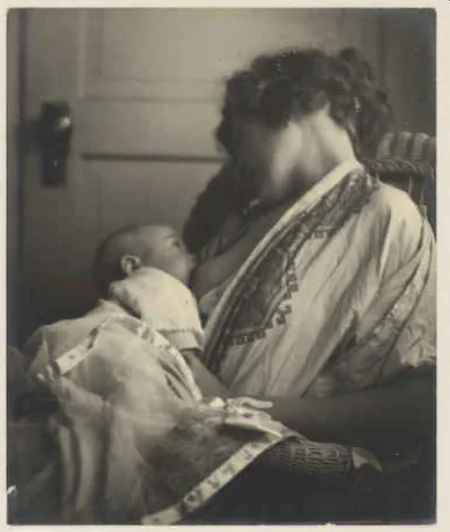
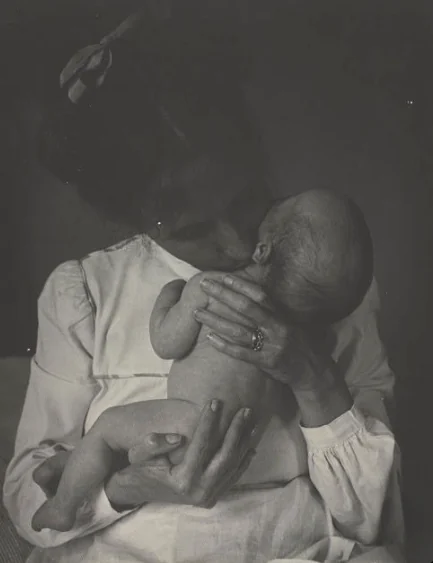
There are many ways to become a mother, and not all of them follow the timeline we once imagined. Perhaps you spent your twenties and thirties building a career, exploring the world, finding love, or finding yourself. Perhaps motherhood was always part of the plan, but the circumstances never quite aligned. Or perhaps the desire for a child arrived unexpectedly, just as you were beginning to feel settled in the life you had created.
Becoming a mother later in life can be an extraordinary experience, one filled with love and anticipation, but also with questions about identity, autonomy, aging, fertility, and the future. Even a deeply wanted pregnancy or child can awaken feelings that are difficult to reconcile with the joy we are expected to feel.
Women who become mothers after building their own identity for decades face a unique type of initiation that requires a nuanced approach.
The Complicated Inner Life of Motherhood After 35
Women who become mothers in their late thirties and forties often arrive at this threshold with a particularly developed sense of who they are. You may have spent decades cultivating your independence, professional identity, relationships, and ways of moving through the world. Motherhood may now invite you into an entirely different relationship with your body, your time, and your sense of self.
You may recognize some of these experiences:
The complicated emotions of fertility decisions, pregnancy, or becoming a first-time mother after 35 or 40.
Grief for the freedoms, relationships, or identity that existed before motherhood.
Anxiety about aging, time, health, and the future.
The challenges of perimenopause clashing with the challenges of parenting young children.
A changing relationship with your body, sexuality, and sense of autonomy.
Ambivalence about leaving or reshaping a hard-won professional life.
Feeling simultaneously grateful for motherhood and overwhelmed by its demands.
Questions about how to remain yourself while becoming someone new.
Matrescence:
The Psychological Becoming of a Mother
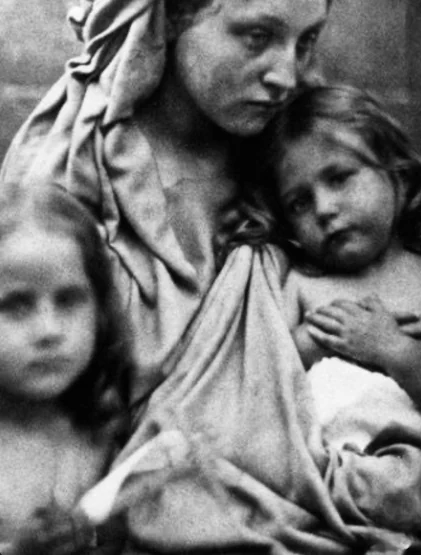
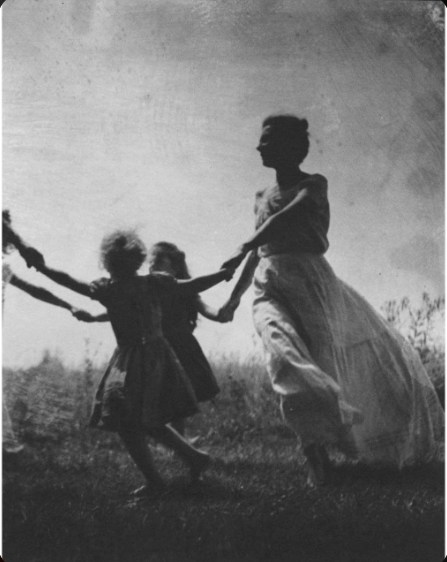
Matrescence describes the profound developmental transition into motherhood. Like adolescence, it involves changes not only in the body, but in identity, relationships, emotional life, and our place in the world.
From a depth-psychological perspective, motherhood can also awaken aspects of the psyche that have long remained outside conscious awareness. Our relationships with our own mothers, our ideas of femininity, our fears of dependence, and even the lives we did not choose may become unexpectedly present.
Rather than treating these experiences as problems to eliminate, psychotherapy offers an opportunity to become curious about what they mean.

My approach to therapy draws from Jungian and depth psychology, relational psychotherapy, and somatic awareness. This is also a topic very close to my heart, as I became a mother for the first time in my 40s. Together, we can explore not only the practical and emotional challenges of later motherhood, but also the deeper questions of identity and meaning that accompany this passage.
As a psychotherapist and somatic practitioner, I am particularly interested in how major transitions live in the body as well as the psyche. Our work may include paying attention to sensation, emotions, dreams, personal history, and the images or patterns that arise as you navigate this new chapter.
You do not need to choose between honoring the woman you have been and welcoming the mother you are becoming.
Making Room for the Woman and the Mother
Frequently Asked Questions

-
Yes. Love, gratitude, grief, resentment, and uncertainty can coexist. Therapy provides a place to explore these feelings without assuming they diminish your love for your child.
-
Yes. Therapy can help you explore the emotional, relational, and identity questions involved in deciding whether, when, or how to become a mother. The intention is not to steer you toward a particular decision, but to understand what the decision means to you.
-
Yes. Therapy can address anxiety, changing relationships, loss of identity, and emotional adjustment during the postpartum period. When appropriate, we can also consider additional perinatal or medical support.
-
Pregnancy after 35 is often described in medical settings as “advanced maternal age,” or by the older term “geriatric pregnancy.” While these labels have a particular clinical meaning, they can also bring complicated feelings about aging, fertility, time, and the body. Therapy offers a place to explore the emotional dimensions of later motherhood beyond the language of medical risk.
-
In myth and traditional rites of passage, initiation often involves leaving behind a familiar identity, crossing into the unknown, and emerging transformed. From a depth-psychological perspective, pregnancy, birth, and motherhood can be understood as three distinct initiations, each asking something different of the woman undergoing them.
Pregnancy may transform our relationship with the body and the future. Birth may confront us with vulnerability, surrender, and the limits of control. Motherhood itself invites an ongoing reorganization of identity, relationships, and our place in the world.
These passages do not always unfold as we imagined, nor must they be experienced as sacred or transformative. But exploring their psychological and symbolic dimensions can help us make meaning of experiences that sometimes feel too large for ordinary language.
-
Yes. Pregnancy loss, medical complications, and difficult or traumatic birth experiences can profoundly affect our relationship with our bodies at any age. our sense of safety, and our hopes for the future. These experiences can occur at any maternal age, and their emotional impact deserves care and attention regardless of when they happen.
My approach makes room for grief, anger, fear, uncertainty, and the complicated feelings that can accompany reproductive experiences. Through depth-oriented and somatic psychotherapy, we can gently explore how these experiences have affected you, without insisting that you find meaning in suffering or move toward healing on anyone else's timeline. Therapy can also complement appropriate medical and specialized perinatal care.
-
Becoming a mother in your late thirties or forties can bring a particular kind of social isolation. Perhaps your longtime friends have children who are already teenagers, while the mothers you meet with babies are in an entirely different season of adulthood. You may also find yourself missing the intellectual stimulation, professional relationships, or independence that once structured your days.
Later motherhood can leave us feeling strangely out of step with both our former lives and our new communities. Therapy offers a place to explore this loneliness, the identities and relationships we may be grieving, and the kinds of connection we want to cultivate in this new chapter.
-
Absolutely. While this page speaks particularly to women becoming mothers in their late thirties and forties, matrescence, identity changes, fertility grief, and the psychological complexity of motherhood are not limited to any particular age.
I welcome women at different stages of the journey, whether you are considering motherhood, navigating pregnancy, adjusting to life after birth, or trying to find your footing in a life that looks very different from the one you once imagined.

Begin Here
I offer depth-oriented and somatic psychotherapy for women navigating later-in-life motherhood, fertility decisions, and matrescence. My practice is located in Wheat Ridge, Colorado, with online sessions available throughout Colorado.
You are welcome to begin with a complimentary 15-minute consultation to explore whether working together might be a good fit.