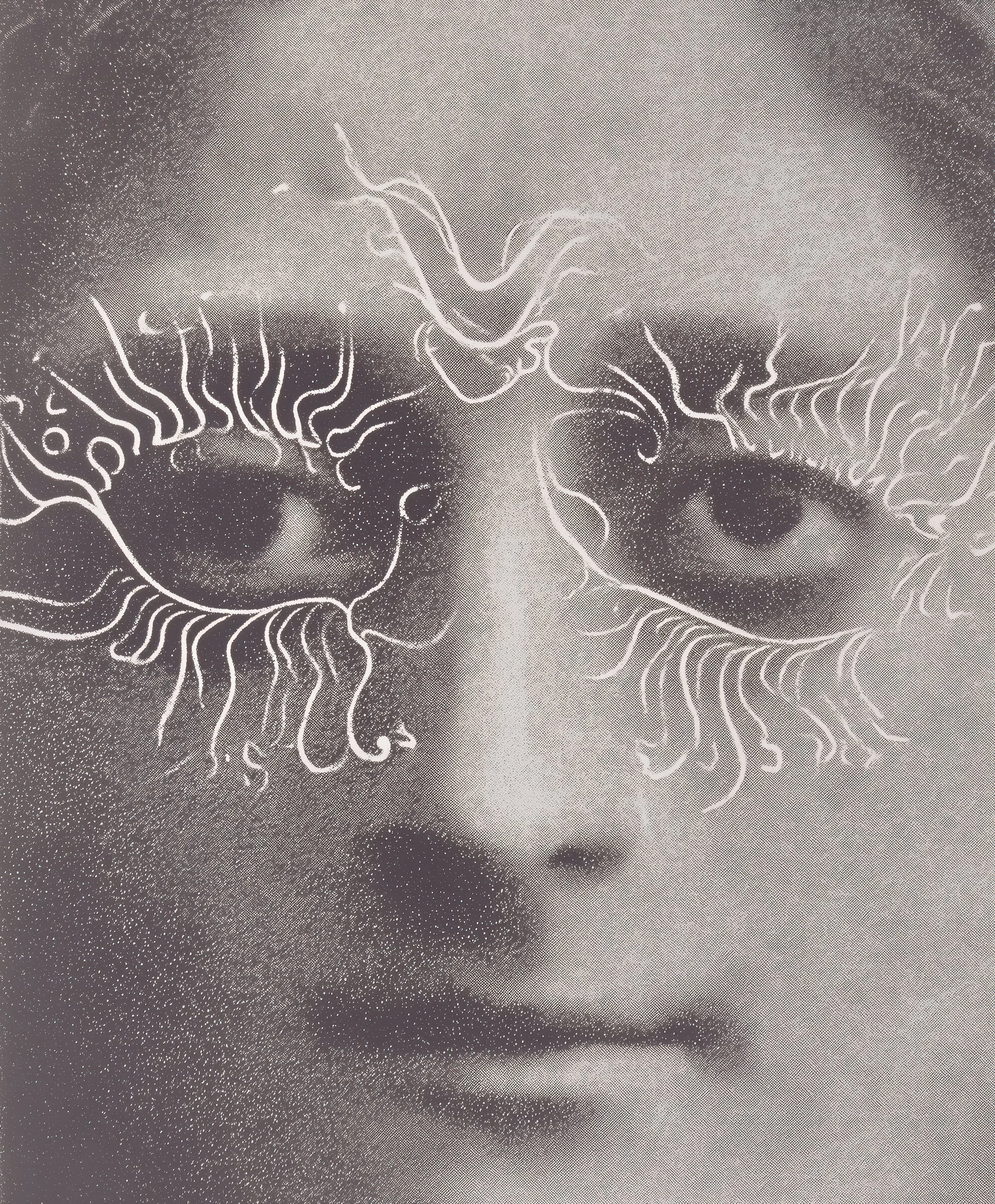
Depth-Oriented & Somatic
Psychotherapy in Colorado
Welcome

What type of therapy can you expect with me?
Jungian • Somatic • Soulful • Embodied
The short version? Our work together lives at the intersection of psyche, body, and soul.
If you are looking to go a layer deeper, you could say my clinical approach draws on traditions of Jungian depth psychology, soul work, psychodynamic psychotherapy, existential thought, archetypal psychology, and somatic practice.
While these traditions shape how I listen, I don’t apply them as a predetermined formula. Your particular history, inner world, bodily experience, and way of making meaning will guide our work.
Depending on what arises, we may include dream work, active imagination, imaginal exploration, embodied awareness, attention to relational patterns, and narrative conversation.
Together, we tend to what emerges and allow meaning to unfold naturally. My job is to help create the conditions in which your psyche can begin to reveal itself.
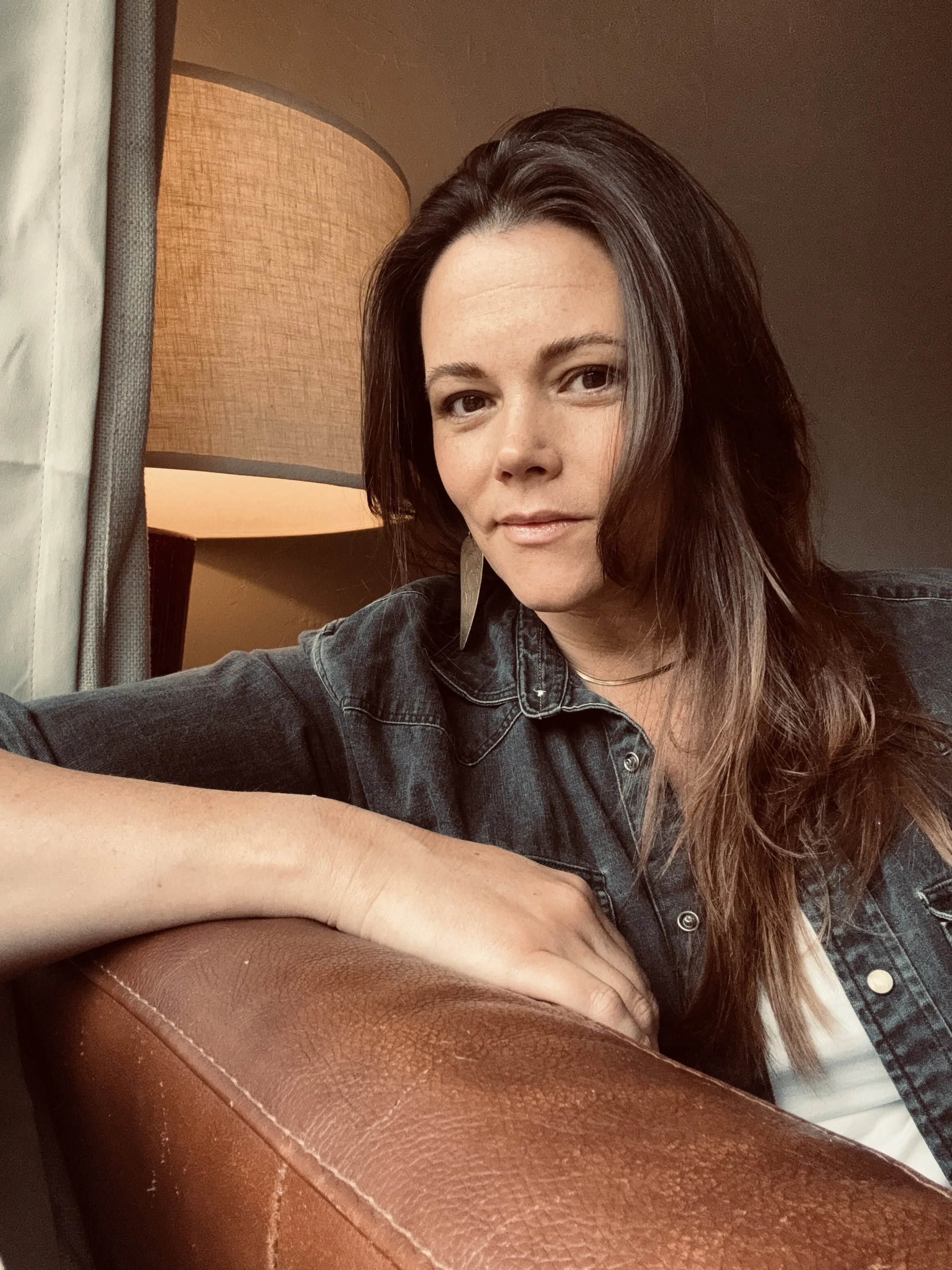
About Rachel
I arrived in this career through my own path of soulwork.
For fifteen years, I worked in marketing and strategy, consulting for private equity firms, family offices, and consumer packaged goods companies. I loved this work because I immersed myself in understanding what made people tick, what stories moved them and how our souls interact with desire. While I loved telling stories for others, my own soul began tugging me in a different direction. I spent my life learning how people make decisions, but I wanted to understand how we make meaning.
What began as a personal search gradually became my second career. I trained as a bodyworker and spent years working with clients through touch. I also studied and practiced Western herbalism, archetypal tarot, animist traditions and studied the paths of various mystics. Each discipline offered me a way of understanding a different language of listening.
My graduate research at Pacifica Graduate Institute explored the role of symbolic language in psychotherapy and became the foundation for what I call The Body as Oracle; that is, the idea that the body is more than a collection of symptoms to be managed, but is in fact a living source of meaning that can guide us toward a more deeply inhabited life.
My own participation in Jungian-oriented psychotherapy over the past nine years continues to shape the way I practice. I believe the capacity to accompany another person into deep therapeutic work is rooted not only in professional training, but in a lifelong commitment to one's own inner life. Above all, I have come to trust that the psyche has its own language. Our work together is to learn how to listen for it.
I was born and raised in Colorado, but split my time between here and the rural West of Ireland, where my husband’s family is from. When not practicing psychotherapy, I can be found spending time with my daughter and husband near bodies of water or browsing used bookstores.
I Work with Individuals at a Threshold
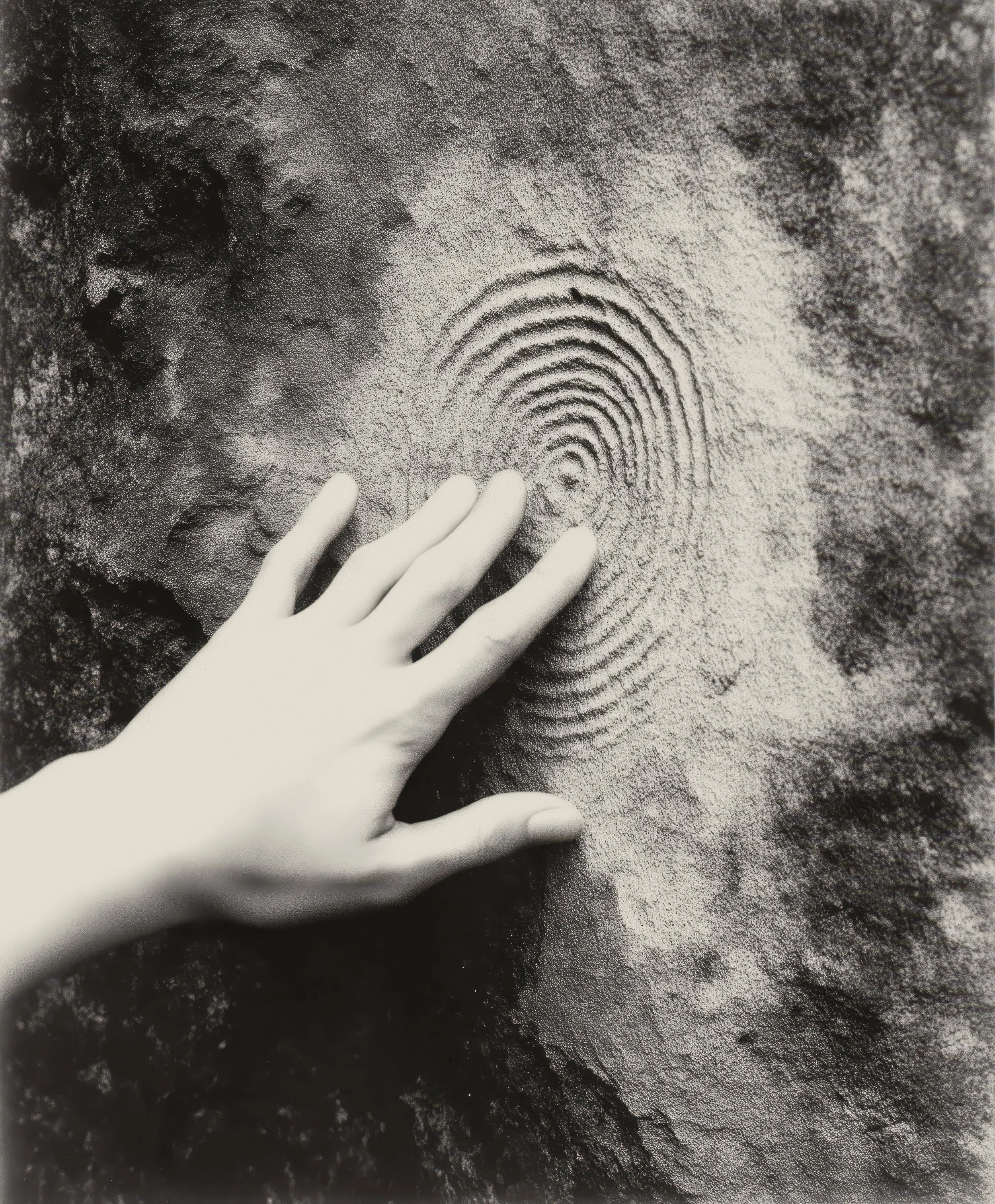
A Threshold is both a place and a moment in time.
It is the liminal space between what has been and what has not yet been born.
We cannot return to who we were, but we do not yet know who we are becoming. Standing at a crossroads, the familiar no longer fits, but the way forward seems hidden.
Sometimes we step willingly into these in-between spaces. More often, they arrive on our doorstep uninvited.
Thresholds Take Many Forms
-
Relationships
Marriage
Divorce or Separation
Blending a Family
Becoming a Parent
Caring for Aging Parents
Death of a Loved One
Shifting Family Dynamics -

Work and Purpose
Loss of a Job
Career Change
Vocational Calling
Retirement
Burnout
Success that no longer feels meaningful -

Body and Health
Chronic Illness
Medical Diagnosis
Accident or Injury
Pregnancy
Menopause -

Meaning and Spirit
Spiritual Crisis
Religious Conversion
Soul Awakening
Questions of Purpose
Existential Uncertainty -

Inner Life
Depression
Anxiety
Grief
Feeling Stuck or Flat
Loss of Meaning Despite Outward Success

Depth
Together, we listen
for what emerges from the depths.
Our work invites you to explore what is emerging now rather than returning to who you were before.
Depth psychotherapy offers a place to slow down, become curious, and attend to the parts of your experience that may be difficult to reach through intellectual analysis or applying practical solutions alone.
Together, we may listen to dreams, emotions, relationships, memory, imagination, the wisdom of the body, and the patterns that seem to be shaping your life.
The goal moves us out of symptom relief and into listening to the symptoms as part of a story that wants to be told. This work is concerned with cultivating a life you can more deeply inhabit.
Vessel
A Place Where More of You Is Welcome
The therapeutic container is the vessel where change occurs.
The relationship you have with your therapist has been shown to be the biggest factor in determining the success of therapy. Thus, finding the right fit for your therapy is of utmost importance. The psychodynamic approach I use focuses on the quality of the relationship between therapist and client. When this bond is strong, it allows you to bring more of you into the space (the good, the bad and the ugly). When you can show up in these vulnerable ways, more opportunities for change occur.
This work cannot be rushed. It deepens through consistency, trust, and the willingness to remain present with what unfolds in each session.
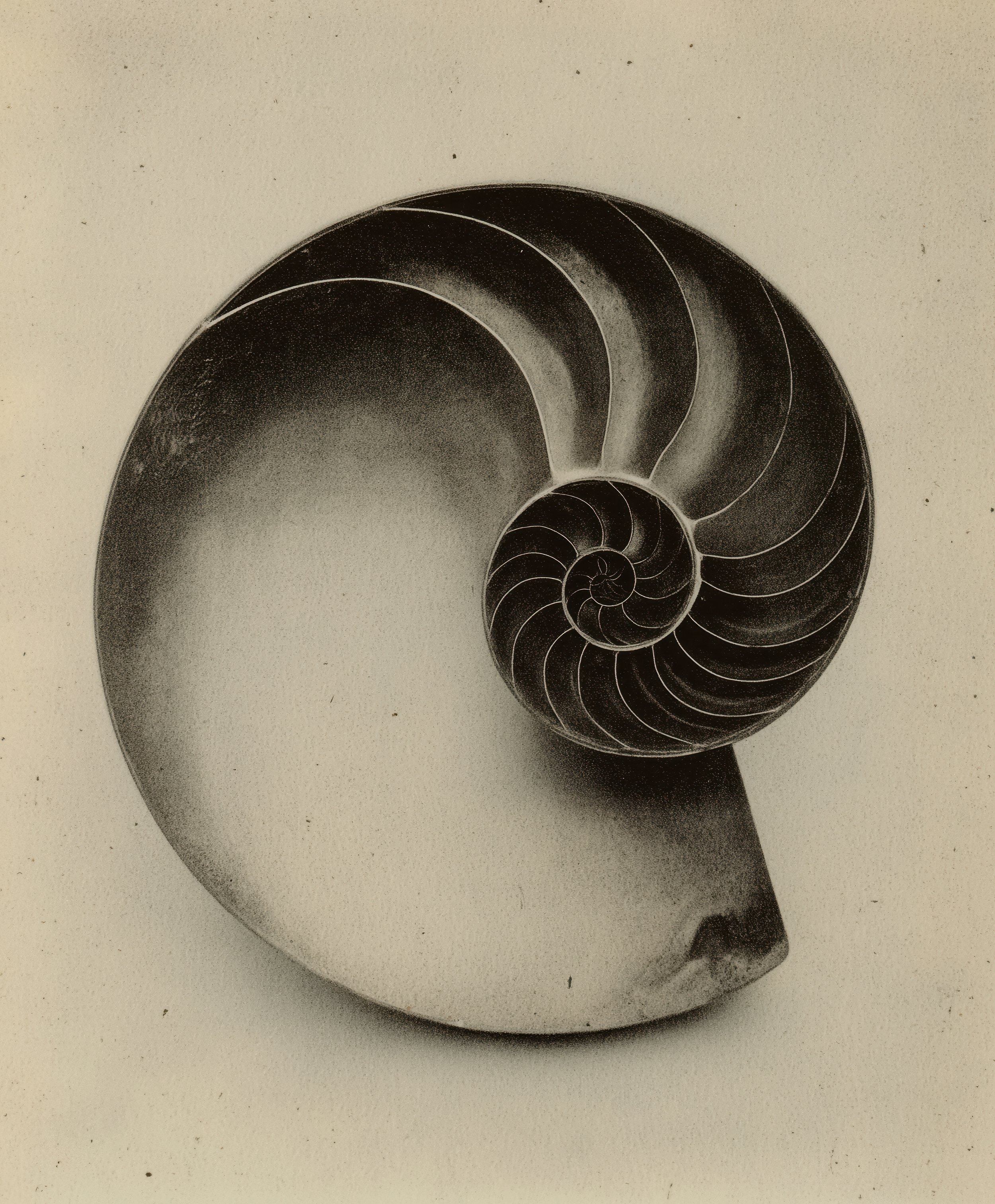
I see therapy as an act of soul tending.
The word psychology comes from the Greek psyche, meaning soul.
The word therapy originally meant to attend, to care for, to tend.
This philosophy guides my work.
Frequently asked questions

-
Individual Rate: $150
Sliding scale sessions are offered when available.
-
I am a private pay practice and do not accept insurance. However, I can provide a superbill that you can independently submit to your insurance, and depending on your plan, they may reimburse a portion of your session.
-
I offer a 0-minute consultation call before your first session. This allows us both to get to know each other and determine if we are a good fit. If I’m not the therapist for you, I will help you find someone who is.
-
I offer clinical psychotherapy only to individuals living in Colorado.
If you are looking for Jungian-oriented consulting and live outside of Colorado, you can learn more here. However, this is not a substitute for therapy and is not suitable for those in acute crisis.
-
I can see clients from my office in Wheat Ridge (very close to the west Highlands of Denver), or remotely if you live elsewhere in Colorado.
Request a Complimentary
20-Minute Consultation.